1939–2021: Konec černobílé doby
26. 05. 2023 - 30. 06. 2030
Národní galerie Praha, Veletržní palác / Praha 7
Praha 7
Exhibitions

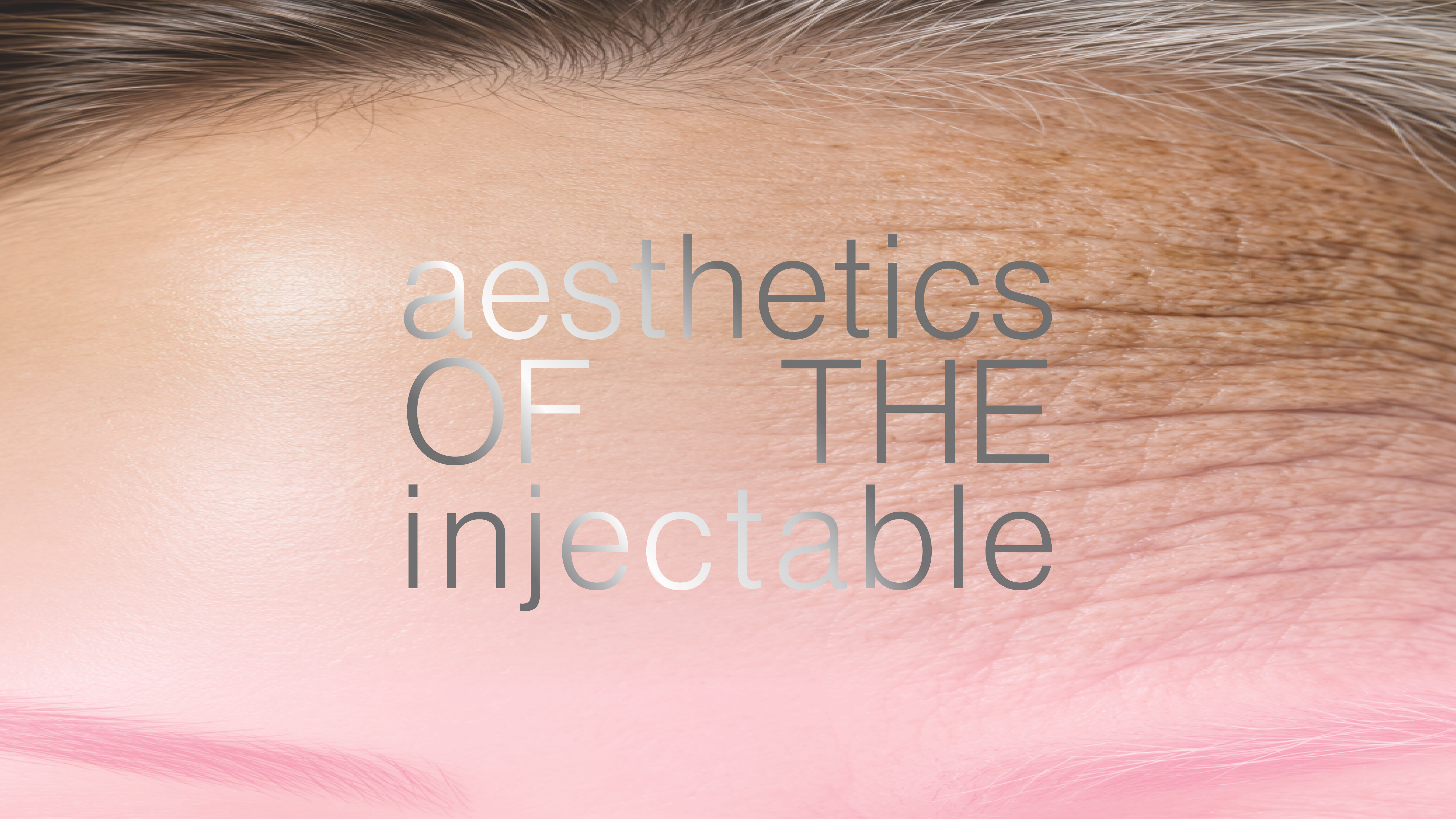
Karpuchina Gallery is marking its 10th anniversary with a special exhibition titled Aesthetics of the Injectable. The project opens the door to exploring the relationships between the gallery, its artists, and the audience by having selected artists invite their guests to participate. The aim of the concept is to open up the gallery project to new participants and experiences.
The exhibition conceptually works with the “principle of injection”—a metaphor evoking the moment when foreign substances enter the living tissue of an existing organism. Just as substances such as Botox or hyaluronic acid in aesthetic medicine aim to “re-aestheticize” and delay the signs of external erosion, the invited guests here also act as “new presences.”
These new stimuli profoundly impact the gallery’s established connections and identity, opening up a unique space for the internal and external transformation of existing artistic, community, and institutional relationships. The principle of “injection” thus allows us to view the gallery as a living organism that reacts sensitively to external influences, naturally rejuvenates itself, and constantly develops its internal dialogue.
The gallery’s founder and owner Alexandra Karpuchina adds: “Ten years have flown by incredibly quickly. I find it interesting how contradictory the demands placed on a gallery are. On the one hand, it is expected to demonstrate continuity, established status, credibility, and stability; on the other hand, it must possess the ability to constantly evolve, reflect current trends, and discover new artists. It is precisely this tension between stability and constant change that I consider one of the most interesting aspects of my work. Building continuity without becoming stagnant. To transform without losing our own identity.“
The open curatorial format does not prescribe a specific common theme, a media-based or generational focus, or a clearly defined formal language. The framework of the exhibition is primarily relational—defined by a network of personal, professional, and artistic connections among the participants.
Curator Pavel Kubesa adds: “We were interested in how an institution can expose its long-established identity to some unknown external factor, and what this confrontation might bring and signify. Does the gallery age alongside its core artists? Must it strive to always look young? Can an ‘injection’ from the outside replace what has been lost, vanished, or forgotten over time? By restricting movement, does it lose something formative—its internal expressions, diverse voices, and perhaps even important contradictions? That is why we have opted for a strategy of relinquishing total control over the overall curatorial selection and are observing which new perspectives open up for the gallery—and which remain untouched or inaccessible. And we are interested in what forms of maturity and youth we can draw from this.”
The exhibition is built upon a diverse network of personal, professional, and artistic connections. The exhibition itself presents a collaborative body of work and a dialogue among prominent artists, including Karíma Al Mukhtarová, Kristina Bukovčáková Navrátil, Ladislava Gažiová, Jakub Janovský, Liza Libenko, Eva Maceková, Matyáš Maláč, Julius Reichel, Jan Slanina, and Václav Stratil, complemented by their specially invited guests. Thanks to this open format, diverse artistic approaches converge in the gallery space, coming together to form a cohesive and aesthetically revitalized whole.